SMA awareness month 2026
Early Diagnosis and Disease-Modifying Treatment of Spinal Muscular Atrophy: A 10-Year Norwegian Experience
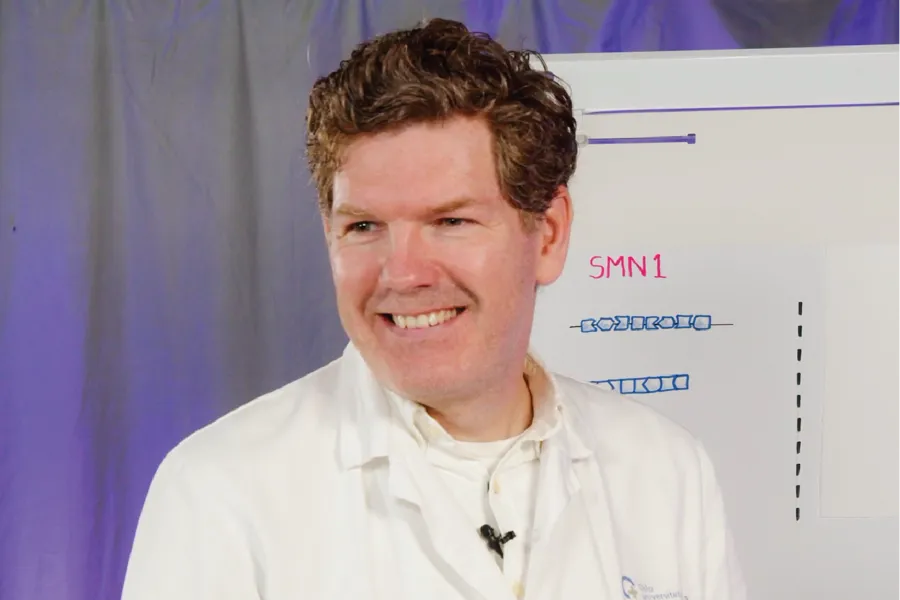
Spinal muscular atrophy (SMA) is a genetic neuromuscular disorder caused by the loss of motor neurons (nerve cells originating in the spinal cord) that control muscle movement. Loss of these nerve cells results in progressive muscle wasting (muscle atrophy) and weakness. In its most severe forms, SMA can lead to paralysis, serious breathing difficulties and premature death. Over the past decade, however, the development of disease-modifying treatments, together with earlier and improved diagnosis, has dramatically changed the outlook for people living with SMA.
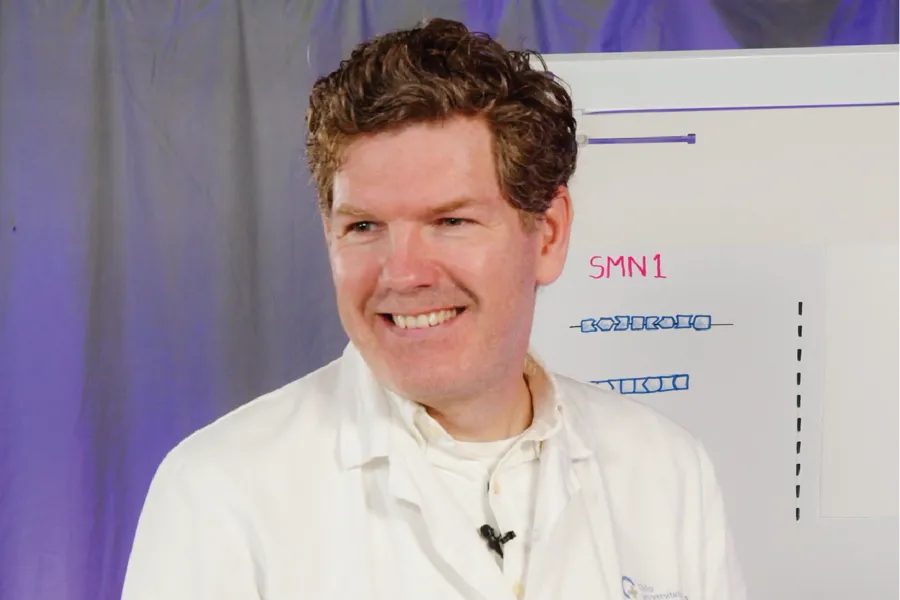
Dept Peaditrics, Neuromuscular Unit, Oslo University Hospital
Photo: Norwegian Centre for Rare Diseases
Treating the cause
SMA is caused by mutations in the SMN1 gene, which codes for a protein essential for motor neuron survival. A similar “reserve” or paralogous gene, SMN2, can also produce smaller amounts of this protein. Over the past 10 years, three disease-modifying therapies specifically targeting SMA have become available. These treatments address the underlying genetic cause of the disease by either replacing the SMN1 gene (gene replacement therapy) or increasing production of SMN protein from the SMN2 gene (gene modifying).
This has led to a dramatic increased survival in the most severe forms of SMA, as well as improvements in muscle strength, breathing and swallowing, and overall quality of life for patients and their families.
Treatment window and early diagnosis
The early, pivotal studies investigating the effect of these treatments indicated that the best outcomes are seen in patients treated early and even better results were seen in patients soon after birth and preferably before the onset of symptoms in the most severe forms of disease.
In Norway, SMA was added to the national newborn screening program in 2021 and patients are now being diagnosed at around five days of age allowing commencement of treatment as early as six days of age.
Long term data and real-world evidence
An increasing number of real-world studies have followed people with SMA over several years. These studies show that the benefits of treatment can be sustained over five to 10 years. Unlike clinical trials, real-world studies often include a broader range of patients, including those who already had symptoms and signs of SMA when treatment was started.
These studies have highlighted considerable variation in how patients respond to treatment. In general, more severe disease (lower motor function), fewer copies of the SMN2 gene and older age at the start of treatment are associated with a poorer response.
Changing patient follow-up
In Norway, almost all children with SMA are now diagnosed through newborn screening during the first week of life. Treatment with disease-modifying therapies has been centralised to the Department of Paediatrics at Oslo University Hospital. Follow-up is multidisciplinary and standardised, with close collaboration between specialists across the Nordic countries. Multidisciplinary clinics and regular reviews have been established, and care has become increasingly proactive, particularly in the prevention and management of orthopaedic and respiratory complications.
Moving forward
Research is now exploring new gene therapies and treatments that work in different ways, including those that target mechanisms other than the SMN gene. Studies are also investigating whether combining existing treatments can provide additional benefits. As treatments have changed the course of SMA, new care guidelines are needed to reflect the different forms of the disease now seen in clinical practice.
Sean Wallace, MBChB, BSc, PhD,
Dept Peaditrics, Neuromuscular Unit, Oslo University Hospital